MINV → Master in Illustration and Visual Narrative
Build your own garden in the universe of graphic creativity
Learn to express your personal voice as an expanded professional in illustration, drawing, and visual storytelling.


Start date — September 2026
End date — July 2027
Course lenght — 400 hours
ECTS — 60 credits
Campus — Barcelona
Language — Spanish
Format — In-person
Schedule*
Monday, Tuesday and Thursday
from 5pm to 9.15pm
*For academic reasons, sessions may be scheduled exceptionally outside these hours.
Tuition fee
Academic year 26-27
11.250€
(plus 500€ in registration fees)
Direction
Mery Cuesta
Coordination
Alba Navales
Introduction
Digital culture has brought new forms of communication and new types of visual narratives. While illustration has traditionally been characterized by presenting an image at its maximum expressive potential, visual narrative links image with text, ryhthm and time, becoming an increasingly demanded form of communication.
The formats in which visual narrative is expressed are very diverse (comics, graphic novels, graphic recording, moving drawings, gifs and memes, animation…) and they lie at the heart of what we understand as visual communication.
In this master’s program, you will learn to handle the foundations of visual narrative in order to convey your clients’ ideas—or your own stories—communicating complex, effective, and exciting messages.
The master’s is a program rooted in contemporary practice. It takes a phenomenological approach to the various roles that illustrators and draughtsmen have adopted in recent history, and uses this as a springboard for new ways of experimenting with graphic creation. To do so, the program offers a practical, theoretical, and experiential immersion into the current landscape, framed within a critical perspective.
Throughout the master’s, we will delve into the essential keys that every illustrator and draughtsperson must understand—grounded in the conception of an idea and its effective graphic manifestation. From here, the program proposes several approaches to the graphic languages that define an expanded professional profile in tune with the versatility required by today’s market.
The program culminates in a Final Project (illustrated book, graphic novel, hybrid formats…), developed throughout the entire course in direct collaboration with active professional editors—an opportunity that serves as an entry point into the professional world.
The ultimate goal of the master’s is to provide the experience, tools, and critical capacity necessary for you to find your path within today’s landscape of illustration and visual narrative, at a moment of vertiginous technological and social change. The master’s promotes a process of personal and collective transformation in search of singularity, since finding one’s own voice is crucial to developing a meaningful career within the vast sea of visual culture offerings.


Our values
We hybridize contemporary graphic languages with a critical spirit.
New Graphic Narratives
Telling stories through images is an increasingly demanded form of visual communication. In this master’s you will learn to work with the fundamentals of sequential storytelling so that, through illustration and drawing, you can express your stories and those of others.
Enrich Your Visual Culture
Through sessions addressing aesthetics and thought in contemporary art, outsider art, cinema, and through visits to exhibitions and creative spaces, you will expand your vision and knowledge of creative practices, enriching your development as a visual creator.
Experiences and Connections
The master’s offers a variety of experiences, such as working with real clients and active editors, an enriching field trip, and participation in events that foster networking and new situations. Top-tier professionals will accompany you in your learning as teachers and mentors.
Deep Transformation
We experience a process of personal and collective transformation, in which illustration and drawing emerge as relevant languages for the expression of both the self and society.


Methodology
Cultivate and Make Your “Own Garden” Grow
The methodology of the master’s is developed through a metaphorical narrative inspired by Virginia Woolf’s well-known essay, which we refer to as “A Garden of One’s Own.” Specifically designed for this program, it activates three phases of personal and collective growth: ‘Tools’, ‘Fields and Paths’, and ‘A Garden of One’s Own’.
The goal of cultivating “your own garden” implies that, by the end of the course, your personal creative voice will have germinated, supported by a wealth of experiences, knowledge, and fruits to share.
Phase 1- Tools
The first phase (first trimester) provides advanced knowledge of essential tools and basic conceptual languages: tools for experimenting and solving visually—that is, for thinking through drawing.
Courses include: Concept and Representation, Moodboard, Sketching, and Comic Language.
Phase 2 – Fields and Paths
The second phase (second trimester) introduces you to diverse practices, new paths, and experimental territories. Testing yourself in new fields strengthens your singularity, develops personal values, and breaks harmful mechanisms and fears.
Courses include: Moving Drawings, Deconstructed Comics.
This phase includes a rich field trip and participation in a fair—powerful experiences that foster collective creativity and group cohesion.
Phase 3 – A Garden of One’s Own
The third phase (third trimester) focuses on establishing direct contact with active professionals (editors, agents, art directors…). The goal is to consolidate everything developed during the year, refine it, and master the keys to visibility and relevance in illustration, comics, and graphic narrative.
Courses include: Cover Illustration (in collaboration with the Penguin Random House team), Professional Landscape, and Portfolio.
The master’s culminates with an optimal Final Project prepared for submission to publishing houses.

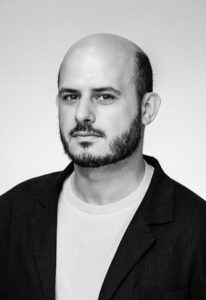
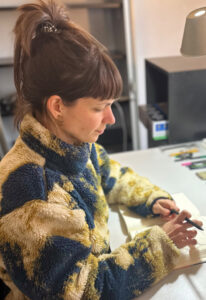
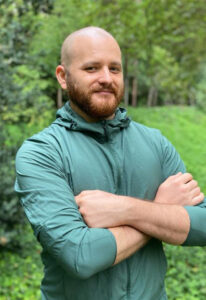
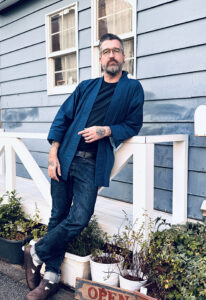

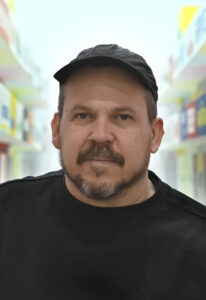
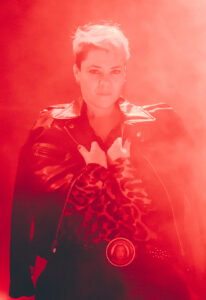
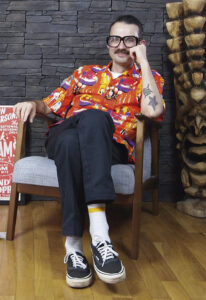
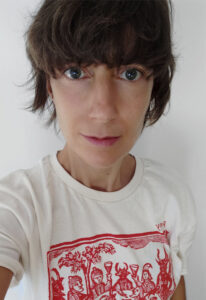


Partners and Guest teachers
Càtedra de Recerca i Experimentació en Còmic Finestres-Elisava ↗
Partners
Masters’ Talks 25-26
Dries Depoorter
Ronan Bouroullec
Karel Martens + Thomas Castro
Arno Brandlhuber, B+
Masters’ Interdisciplinary Workshops Week 26
Kris De Decker, Low-tech Magazine
Anna Diaz & Pedro Barquin, Hamill Industries
Tereza Ruller, The Rodina
Elaine Lopez, Parsons School of Design, NYC
Germán León & Regina Dos Santos, Helvetica Digital
Stephanie Rodriguez & Ricardo Lynch
Study plan
The methodology “A Garden of Your Own” is developed in three phases, during which five learning areas are combined.
1
Contemporary Illustration
↓
1
Contemporary Illustration
Knowledge, concepts, and strategies for solving an illustrated commission or a personal illustration project, from the conception of the idea to its realization in various fields (editorial, press, advertising campaign, mural, product…). You will learn and experience the phases of working on and completing a project, both commercial and personal.
1.1
Concept and Representation
→
↓
Concept and Representation
→
We begin by developing graphic concepts from the very start, representing through synthesis and approaching visual poetry.
1.2
Concept Art
→
↓
Concept Art
→
Comprehensive development of a coherent graphic narrative project: research, documentation, mood board, character design, object design, and environment design.
1.3
Illustrated Book
→
↓
Illustrated Book
→
Key elements for understanding the potential of the illustrated book as a communicative format: rhythm, pagination, color usage, experimental options.
1.4
Editorial Illustration for Cover Design
→
↓
Editorial Illustration for Cover Design
→
- Concept and design of book covers. Interpreting and solving a commercial briefing. In collaboration with Penguin Random House Editorial Group.
We begin by developing graphic concepts from the very start, representing through synthesis and approaching visual poetry.
Comprehensive development of a coherent graphic narrative project: research, documentation, mood board, character design, object design, and environment design.
Key elements for understanding the potential of the illustrated book as a communicative format: rhythm, pagination, color usage, experimental options.
- Concept and design of book covers. Interpreting and solving a commercial briefing. In collaboration with Penguin Random House Editorial Group.
2
Graphic Narrative
↓
2
Graphic Narrative
Key principles and processes in the realm of graphic storytelling and comics, enabling you to narrate complex stories in a sequential graphic form.
2.1
Comic Language
→
↓
Comic Language
→
Basics of comic language and sequential storytelling from a semiotic perspective, developed through practical exercises.
2.2
Scriptwriting
→
↓
Scriptwriting
→
How to write a story that will mainly develop in images? Scriptwriting for illustrated books and comics through a methodology that prioritizes visuality.
2.3
Experimental Comics
→
↓
Experimental Comics
→
Exploring the more conceptual and hybrid aspects of comics. This module includes sessions such as Deconstructed Comics, Comics and Performance, and Comics and Memes. In collaboration with the Càtedra de Recerca i Experimentació en Còmic Finestres-Elisava ↗.
2.4
Moving Drawings
→
↓
Moving Drawings
→
- Sequential storytelling through digital animations of an artistic nature.
Basics of comic language and sequential storytelling from a semiotic perspective, developed through practical exercises.
How to write a story that will mainly develop in images? Scriptwriting for illustrated books and comics through a methodology that prioritizes visuality.
Exploring the more conceptual and hybrid aspects of comics. This module includes sessions such as Deconstructed Comics, Comics and Performance, and Comics and Memes. In collaboration with the Càtedra de Recerca i Experimentació en Còmic Finestres-Elisava ↗.
- Sequential storytelling through digital animations of an artistic nature.
3
Graphic Languages
↓
3
Graphic Languages
You will challenge yourself by experimenting with different languages, techniques, and graphic procedures with the goal of incorporating them into your practice as a creator.
3.1
Symbol and Self-expression
→
↓
Symbol and Self-expression
→
Exploring autobiography and the unconscious through the power of the symbol. This subject focuses on the survival of images in playing cards and the sequential readings triggered by chance.
3.2
Conceptual Lettering
→
↓
Conceptual Lettering
→
Creating a lettering project that addresses the conceptual characteristics of words.
3.3
Sketching
→
↓
Sketching
→
Urban sketching and rapid portrait techniques, with insights into perspective and the use of watercolor and ink.
3.4
Self-publishing
→
↓
Self-publishing
→
Creating your own publishing label and participating in a fair with a stand. In collaboration with GRAF Cómic ↗ – Festival of Independent Comics and Self-publishing.
3.5
Muralism
→
↓
Muralism
→
Full development of a mural project for a real client.
Realizing the mural as a collective creation. Managing workgroups.
Exploring autobiography and the unconscious through the power of the symbol. This subject focuses on the survival of images in playing cards and the sequential readings triggered by chance.
Creating a lettering project that addresses the conceptual characteristics of words.
Urban sketching and rapid portrait techniques, with insights into perspective and the use of watercolor and ink.
Creating your own publishing label and participating in a fair with a stand. In collaboration with GRAF Cómic ↗ – Festival of Independent Comics and Self-publishing.
Full development of a mural project for a real client.
Realizing the mural as a collective creation. Managing workgroups.
4
Visual Culture
↓
4
Visual Culture
Knowledge about phenomenology and historical trends related to illustration and visual narratives. You will reflect on current events and enjoy visits to museums, studios, or contemporary cultural spaces.
4.1
Visual Culture
→
↓
Visual Culture
→
Enrich your visual culture with references and inputs that you may not know. Connections between visual storytelling and authors and phenomenologies from contemporary art and cinema.
4.2
International Workshop Finestres
→
↓
International Workshop Finestres
→
- Annually, we invite an internationally renowned creator to visit students exclusively for one week. Each visit brings significant knowledge to all who experience it. In collaboration with Fundació Finestres ↗.
4.3
Phenomenologies of Comics
→
↓
Phenomenologies of Comics
→
The history of comics understood through its scenes and creative clusters (not from a chronological narrative).
4.4
Visits to Exhibitions and Creative Spaces:
→
↓
Visits to Exhibitions and Creative Spaces:
→
- Discover new perspectives on art and culture by visiting exhibitions in Barcelona that add value to the content developed in the Master’s program.
Enrich your visual culture with references and inputs that you may not know. Connections between visual storytelling and authors and phenomenologies from contemporary art and cinema.
- Annually, we invite an internationally renowned creator to visit students exclusively for one week. Each visit brings significant knowledge to all who experience it. In collaboration with Fundació Finestres ↗.
The history of comics understood through its scenes and creative clusters (not from a chronological narrative).
- Discover new perspectives on art and culture by visiting exhibitions in Barcelona that add value to the content developed in the Master’s program.
5
Final Project
↓
5
Final Project
You will create an illustrated album, a graphic novel, or a hybrid graphic narrative format that will serve as your business card to start or revitalize your professional career.
5.1
Final Project
→
↓
Final Project
→
Your illustrated book, graphic novel, or hybrid format project will be personally mentored throughout the course by two editors specialized in illustration (Mia Cassany, Mosquito Books) and graphic novels (Luís Martínez, Norma Editorial). By the end of the course, you will have a consistent and developed project, ready to contact agents and publishers.
5.2
Professional Outlook
→
↓
Professional Outlook
→
Advice on both legal matters (contracts, rights, billing) and personal matters (motivation, fears, strengths) related to the profession of illustrator and comic artist. Visits from various creators who break down their professional functioning and experiences.
5.3
Networking
→
↓
Networking
→
Pitching and presenting projects to editors and agents. Developing a portfolio according to your needs and creative personality.
Your illustrated book, graphic novel, or hybrid format project will be personally mentored throughout the course by two editors specialized in illustration (Mia Cassany, Mosquito Books) and graphic novels (Luís Martínez, Norma Editorial). By the end of the course, you will have a consistent and developed project, ready to contact agents and publishers.
Advice on both legal matters (contracts, rights, billing) and personal matters (motivation, fears, strengths) related to the profession of illustrator and comic artist. Visits from various creators who break down their professional functioning and experiences.
Pitching and presenting projects to editors and agents. Developing a portfolio according to your needs and creative personality.
Due to our interest to constantly improve our programme and the professional realities of our teachers, we keep the right to make changes in the content and the professors of the course.


Experience
“The master’s has marked a before and after in my career—helping me understand where to begin and where I want to go. It allowed me to discover all the possibilities and markets within illustration, supported by strong, active professionals.” Marina Barberà MINV 22
Now Is the Time
The rise of illustration and graphic narrative languages is undeniable. If you’ve always wanted to express your ideas visually but haven’t yet found your voice or your place, the Master’s in Illustration and Visual Narrative can guide you—offering personalized, high-quality support with an excellent satisfaction record, in Barcelona, a central hub of creativity in Europe.
Explore Your Potential
The time has come to begin your own creative journey and take charge of your future. The master’s provides the tools, knowledge, and experience needed to research, imagine, develop, and lead projects with confidence and vision. This is the space to discover what you are capable of and amplify your creativity.
Build Your Portfolio
The projects you complete during the course will form the foundation of your professional portfolio. Throughout the year, you will develop practical work that reflects your talent, creativity, and versatility—creating a solid, multidisciplinary portfolio that showcases your artistic identity to future clients, institutions, or employers.
An Unforgettable Experience
Take part in innovative projects, workshops, showcases, case studies, lectures, and tutorials with an international team of instructors and guests. Each experience is designed to enrich your education, expand your perspective, and connect you with professionals in the field.
A Multicultural Environment
Share experiences with students from around the world and enrich your learning with different perspectives, cultures, and ideas. This international environment encourages collaboration, creative exchange, and constant inspiration—building connections and learning that extend far beyond the classroom.
Practical info
Applicant Profile / Who It’s For
This program is aimed at imaginative, motivated, and creative individuals passionate about visually representing meaningful ideas or stories through illustration, comics, and hybrid narrative languages.
Admission requirements
An official bachelor’s degree in Graphic Design, Fine Arts, or other creative fields. All applicants must submit a portfolio of 10–20 images reflecting their interests and areas of specialization.
Number of Students
Each year, a maximum of 20 students is selected. Admissions operate through a rolling selection process once applications open, until all spaces are filled.
Degree
Master en Ilustración y Narrativa Visual, degree awarded by Universitat de Vic – Universitat Central de Catalunya (UVic-UCC) and Elisava, Barcelona School of Design and Engineering