MCDA → Master in Audiovisual Creation and Direction
Develop your own vision of the audiovisual world. Learn to narrate, create and direct through moving images by combining creativity, technical skills, and experimentation to tell stories with a unique identity.

Start date — September 2026
End date — July 2027
Course lenght — 400 hours
ECTS — 60 credits
Campus — Barcelona
Language — Spanish
Format — In-person
Schedule*
Monday, Tuesday and Wednesday
from 5pm to 9.15pm
*For academic reasons, sessions may be scheduled exceptionally outside these hours.
Tuition fee
Academic year 26-27
English edition — 11.250€
(plus 500€ in registration fees)
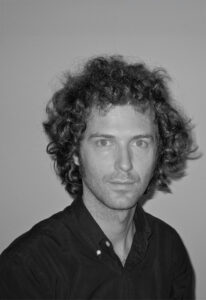
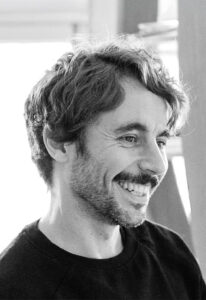
Direction
Marc Aliart
Nacho Gómez
Coordination
Alba Navales
Introduction
Audiovisual language is now the most present form of communication in our daily lives. It expresses ideas, builds identities, and creates new ways of sharing culture. Within this context, the Master in Audiovisual Creation and Direction prepares you to understand and master this language in all its dimensions — to narrate, direct, and produce with a contemporary vision.
Throughout the program, you’ll work on real projects that will help you gain hands-on experience while developing your own creative style and visual voice.
The master combines technical learning, visual thinking, and cultural understanding to train professionals capable of working across different areas of the creative industry: film, advertising, music, art, and communication.
An active learning and experimentation environment where you’ll learn by doing, guided by experienced professionals who will help you build a solid foundation and a portfolio ready for the real world.
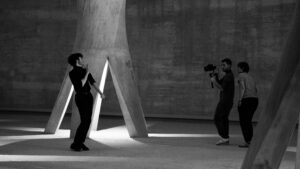


Our Values
This master approaches to audiovisual language as a way of thinking and making. It offers a learning experience that combines critical thinking, technical expertise, and creative exploration.
Applied creativity
You’ll learn to make visual decisions with purpose, understanding audiovisual direction as a process of thought, design, and communication.
Hybrid languages
You’ll explore the intersections between cinema, advertising, music, art, and design. The program invites you to experiment with different formats and techniques to expand your creative vocabulary.
Visual culture and critical thinking
Audiovisual creation is not just about making, but also about understanding. You’ll learn to analyze and contextualize images to build stories with meaning and depth.
Experimentation and technique
Technique is a creative tool. From the very first day, you’ll film, edit, and direct real projects, combining intuition and precision to bring your ideas to life.
Featured Projects


Methodology
This master is built on a simple principle: learning by doing.
Each module is structured around a project that allows you to apply what you learn in class. Throughout the year, you’ll create a portfolio of audiovisual pieces that reflect your progress and your personal vision.
Learning is structured around projects that combine theory and practice. Teamwork is essential, since audiovisual creation is a collective process that requires collaboration, coordination, and communication.
The teaching team, made up of active professionals, will guide you through every stage — from ideation to post-production.
You’ll also take part in screenings, debates, and analysis sessions that will help you discover new ways of seeing and understanding contemporary audiovisual culture.
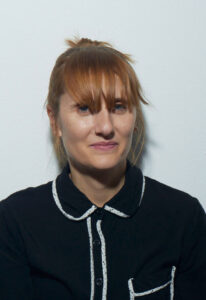
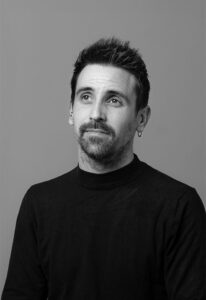

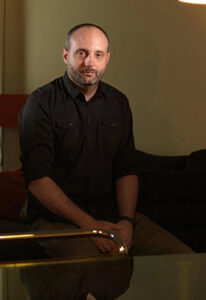



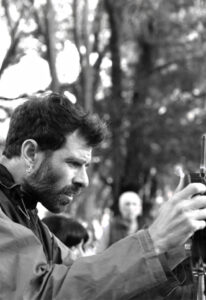
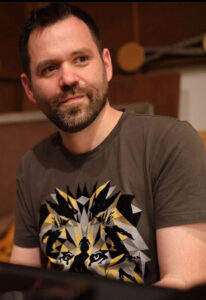
Guest Teachers and Lecturers
Cineclub Talks 25-26
Claudia Barral + Òscar Romagosa
Pablo Maestres + Salvador Sunyer
White Horse + Agosto
Sandra Tàpia + Elena Martín
Artur Tort + Clara Roquet
Masters’ Talks 25-26
Dries Depoorter
Ronan Bouroullec
Karel Martens + Thomas Castro
Arno Brandlhuber, B+
Masters’ Interdisciplinary Workshops Week 26
Kris De Decker, Low-tech Magazine
Anna Diaz & Pedro Barquin, Hamill Industries
Tereza Ruller, The Rodina
Elaine Lopez, Parsons School of Design, NYC
Germán León & Regina Dos Santos, Helvetica Digital
Stephanie Rodriguez & Ricardo Lynch


Study plan
The master is divided into five modules that cover the full creative process, from experimentation and exploration to the production of a final professional work.
Module 1
Professional Context and Audiovisual Culture
This first module introduces you to the three expressive pillars of audiovisual language: image, sound, and movement. It also offers a broad overview of the industry and its current context.
To connect theory with experimental practice, the module includes the development of the Mix Media (Analog Animation) project — your first approach to audiovisual language through the exploration of image, sound, and motion to create an original animated piece.
Module 2
Toolkit and Audiovisual Narration
In this module, you will explore audiovisual storytelling, scriptwriting, and the visual tools that help shape a story. You will understand how the different departments involved in a production such as direction, art, cinematography, and editing work together through a practical and creative approach.
To strengthen the connection between theory and practice, the module includes the A Story Behind project, focused on creating an audiovisual piece inspired by a photograph. Through this exercise, students learn to analyze visual and narrative language and translate it into a complete film piece.
Module 3
Fashion Film
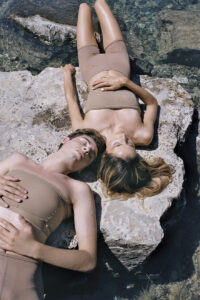
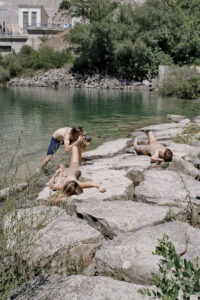
This module explores the relationship between cinema and fashion. In collaboration with Blend Showroom, students take part in the production of a fashion film that turns the values of a collection into a visual story. Through this project, they develop creative direction skills applied to the fashion industry, combining narrative, aesthetics, and brand into a complete audiovisual piece.
Module 4
Music Video
This module focuses on the creation of a music video as a space for visual and narrative experimentation. Starting from a musical piece, students develop a concept that transforms rhythm, emotion, and meaning into moving images. The project encourages them to explore visual language through music, working with editing, art direction, and staging as expressive tools.
Module 5
Final Project: Opera Prima
This module concludes the master’s program with the production of a short fiction film developed as a collaborative project. Each student takes on a professional role within the team and is involved in every stage of the process, from concept creation to final production.
The experience puts into practice everything learned throughout the course and helps consolidate a real working methodology, culminating in an original film that reflects the identity and creative vision of its authors.
Experience
The master is designed as a collective creative experience. During the course, you’ll become part of a community of filmmakers, directors, art directors, and creative professionals who share processes, ideas, and diverse perspectives on audiovisual creation.
You’ll attend masterclasses, technical workshops, and networking sessions with studios, production companies, and industry professionals that will help you connect with the current creative landscape.
Thanks to partnerships with specialized companies in the audiovisual sector, the master has access to top-tier cinematographic equipment. This allows each project to be developed under professional industry standards, giving students real production experience.
Barcelona itself is also part of the learning experience. Its creative energy and strong audiovisual scene make the city a natural hub for experimentation, collaboration, and inspiration.
Joining the master means joining Elisava’s creative ecosystem. It’s an opportunity to build connections and develop projects in collaboration with other programs and disciplines that explore creativity from different perspectives.


Practical Info
Admission profile
The program is aimed at graduates and professionals in Audiovisual Communication, Image and Sound, Advertising, Design, Fine Arts, or Performing Arts, as well as creative profiles interested in exploring audiovisual direction from a contemporary perspective.
Career opportunities
Upon completion of the master, you’ll be prepared to work across multiple sectors — as a director in film, advertising, or television production companies, as a creative director in communication agencies, as a professional in design and communication studios, or as an audiovisual project leader within companies and institutions.
Degree
Master en Creación y Dirección Audiovisual, degree awarded by Universitat de Vic – Universitat Central de Catalunya (UVic-UCC) and Elisava, Barcelona School of Design and Engineering