MPHD → Master in Photography and Design
Do you want to transform your ideas into images that speak for themselves? You will learn to think, create, and communicate visually in an effective and multidisciplinary way. You will develop the theoretical and practical skills that will make you an innovative, creative photographer with your own voice.

Start date — September 2026
End date — July 2027
Course lenght — 400 hours
ECTS — 60 credits
Campus — Barcelona
Language — English
Format — In-person
Schedule*
Tuesday, Thursday and Friday
from 10 am to 2.15pm
*For academic reasons, sessions may be scheduled exceptionally outside these hours.
Tuition fee
Academic year 26-27
12.400€
(plus 500€ in registration fees)
Direction
Natasha Christia
Pedro Vicente
Coordination
Cristina Marfà
Introduction
The Master’s Degree in Photography and Design approaches photography as an open, living discipline in constant transformation, offering a space to create solid, personal, and conceptually rich projects. Through a cross-disciplinary approach, the program invites students to explore the most contemporary visual languages, new narratives, and the relationships between image, design, and visual culture.
The Master’s Degree in Photography and Design places a strong emphasis on innovation, experimentation, and applied research, fostering a critical, creative, and socially engaged photographic practice. Here, participants learn to think with images, develop projects with their own identity, and position themselves in the current professional and artistic context, where photography has become a powerful tool for communication.
In the digital and visual society in which we live, photographs have become the dominant language. They have taken over from words and are now the most effective means of communication, capable of exciting, informing, and influencing in a matter of seconds. In a fast-paced world, where everything is consumed at the speed of a click, photography not only captures realities: it creates meanings, arouses emotions, and generates opinion.
That is why the contemporary photographer is no longer simply someone who takes a picture, but someone who knows how to communicate, narrate, and construct visual messages with intention and meaning. Mastering this language—reading, interpreting, and reinventing it—is essential to standing out in new creative, cultural, and professional environments, where image is everything.
Through theoretical classes, practical workshops, and meetings with professional photographers and international guests, the Master’s Degree in Photography and Design offers you comprehensive, experiential training that combines learning, creation, and reflection. You will work hand in hand with industry experts, expanding your knowledge and honing your technical, conceptual, and narrative skills to perform with confidence in the professional and artistic fields.
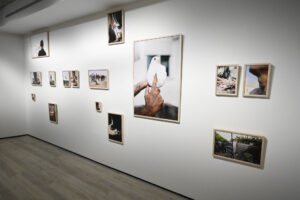
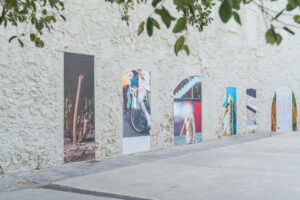
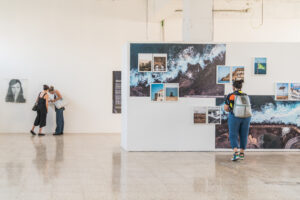
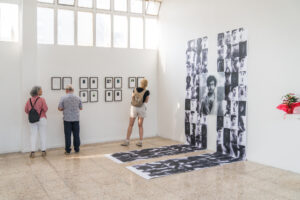
During the course, you will develop real photographic projects that go beyond the classroom and are projected to the world: exhibitions and publications will be the spaces where your images come to life. These include leading institutions such as the Vila Casas Foundation and the KBr Center – MAPFRE Foundation, where Master’s students have presented their work. A unique experience that will allow you to build your own visual discourse and make your work visible in internationally prestigious contexts.
Upon completing the Master’s Degree in Photography and Design, you will be able to conceive and develop photographic projects with your own voice and a solid discourse, using photography as a powerful, versatile, and contemporary communication tool. You will have learned to transform complex ideas into clear, exciting, and meaningful images capable of connecting with different audiences and contexts.


Our values
Photography means critical thinking, the ability to communicate visually in an image-driven world, and having a perspective with real impact.
Critical thinking
In the Master’s program, we encourage deep critical thinking, because contemporary photographers don’t just take pictures: they interpret, question, and analyze the world they capture. Reflecting on one’s own work and the visual environment allows students to build projects with meaning, personality, and relevance, capable of communicating with awareness and authenticity in any context.
Project-based learning
Learning focuses on real, contextualized photography projects, conceived as creative laboratories where each idea is transformed into an image. Students explore different narratives and formats, developing proposals that engage with art, culture, and visual communication. In this way, each project becomes a concrete, professional experience.
Balance between theory and practice
The program combines theory and practice in a balanced way, understanding that creation is perfected by doing. Constant practice allows for experimentation, innovation, and consolidation of knowledge, while theoretical reflection gives meaning and direction to each image. This balance guarantees solid, creative learning that is applicable to any professional setting.
Teacher-student collaboration
The relationship between teachers and students is close and collaborative, which is key to enhancing individual talent. Constant dialogue, constructive criticism, and personalized support create an environment where each project grows, challenges itself, and is perfected, building a creative community committed to innovation and excellence in photography.
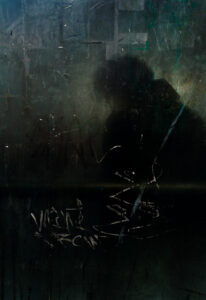
Featured projects

Methodology
In the Master in Photography and Design, you will learn to develop photographic projects with their own identity, from the initial idea to the final image.
The Master’s methodology combines action, reflection, and experimentation, guiding you to create original, rigorous photographic projects with real impact.
Each project is conceived as a creative laboratory, where you can explore techniques, visual tools, and communication strategies to express complex ideas clearly and powerfully.
The Master’s program encourages constant critical thinking and a balance between theory and practice, developing technical and conceptual skills for any professional environment.
Close collaboration with professors and classmates and multidisciplinary training integrating photography, design, and visual thinking make each project an innovative tool capable of leaving its mark

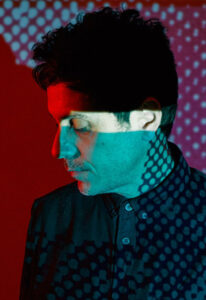
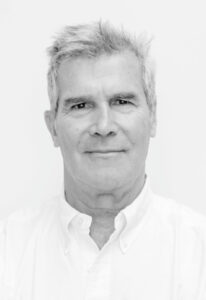
Natasha Christia
Unaffiliated curator, writer and educator
Teaches photographic thinking, research, and tutors Master's Thesis
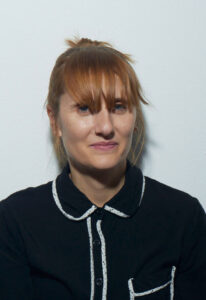
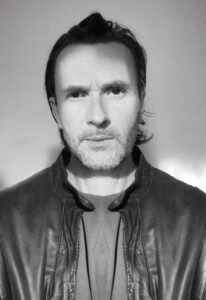

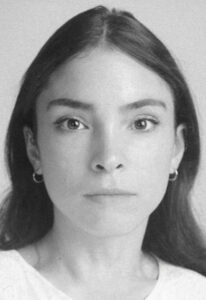
Katherin Wermke
Barcelona Photographer Agency
Teaches Studio Lighting for Editorial, Fashion and Portrait Photography
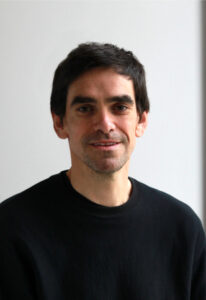
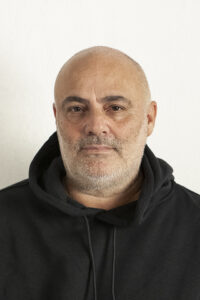
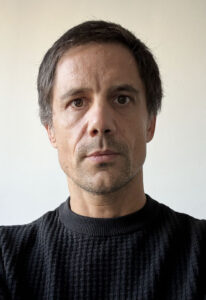
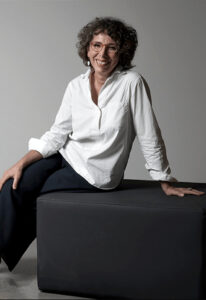



Guest Faculty and Lecturers
Cineclub Talks 25-26
Claudia Barral + Òscar Romagosa
Pablo Maestres + Salvador Sunyer
White Horse + Agosto
Sandra Tàpia + Elena Martín
Artur Tort + Clara Roquet
Masters’ Talks 25-26
Dries Depoorter
Ronan Bouroullec
Karel Martens + Thomas Castro
Arno Brandlhuber, B+
Masters’ Interdisciplinary Workshops Week 26
Kris De Decker, Low-tech Magazine
Anna Diaz & Pedro Barquin, Hamill Industries
Tereza Ruller, The Rodina
Elaine Lopez, Parsons School of Design, NYC
Germán León & Regina Dos Santos, Helvetica Digital
Stephanie Rodriguez & Ricardo Lynch


Study Plan
1
Fundamentals of Photography
↓
- Explore the essential principles of photographic imaging as the basis for all creative processes.
1.1
Principles of photographic composition
→
↓
- You will learn to master the visual language of images, exploring lines, shapes, color, and balance to create striking compositions. This course teaches you to consciously organize elements within the frame, transforming each photograph into a clear, powerful visual message capable of capturing the viewer’s attention from the very first moment. Each project becomes an exercise in perception and creativity, where every detail contributes to the visual narrative.
1.2
Grammar and narrative of photography
→
↓
- Discover how photography tells stories through its visual elements. You will analyze how rhythm, sequence, and structure create meaning, and how to construct coherent narratives that connect with the audience. This subject allows you to transform isolated images into projects with their own voice, capable of communicating complex ideas in a direct and memorable way. Photographic storytelling becomes a language that articulates emotion, concept, and aesthetics in an integrated way.
1.3
Photographic thinking
→
↓
- Explore photography beyond technique: learn to think with images. You will analyze its history, theory, and social function, developing the ability to reflect critically on your own work and that of others. This course turns practice into a conscious act, where each photograph arises from observation, intention, and idea. Here, reflection and action combine to create projects with meaning and context, enhancing your critical and creative eye.
- You will learn to master the visual language of images, exploring lines, shapes, color, and balance to create striking compositions. This course teaches you to consciously organize elements within the frame, transforming each photograph into a clear, powerful visual message capable of capturing the viewer’s attention from the very first moment. Each project becomes an exercise in perception and creativity, where every detail contributes to the visual narrative.
- Discover how photography tells stories through its visual elements. You will analyze how rhythm, sequence, and structure create meaning, and how to construct coherent narratives that connect with the audience. This subject allows you to transform isolated images into projects with their own voice, capable of communicating complex ideas in a direct and memorable way. Photographic storytelling becomes a language that articulates emotion, concept, and aesthetics in an integrated way.
- Explore photography beyond technique: learn to think with images. You will analyze its history, theory, and social function, developing the ability to reflect critically on your own work and that of others. This course turns practice into a conscious act, where each photograph arises from observation, intention, and idea. Here, reflection and action combine to create projects with meaning and context, enhancing your critical and creative eye.
2
Digital photography
↓
- Delve into the contemporary tools, techniques, and workflows that define today’s photographic practice in the digital environment.
2.1
Software editing
→
↓
- You will learn to master the essential digital tools for photo editing. This course will enable you to transform your images, control color, light, and shape, and enhance their visual impact. Mastering the software is key to turning ideas into accurate, consistent, and professional-quality images, ready for any creative project or exhibition. Editing becomes an extension of your creativity, where each adjustment reinforces the intention of the project.
2.2
Advanced retouching
→
↓
- Perfect your images using professional retouching techniques, controlling details, texture, and color to achieve flawless results. This course combines technical precision with aesthetic sensitivity, teaching you how to enhance the visual quality of your projects, transform your photographs into striking pieces, and prepare them for high-level professional publications, exhibitions, or presentations. Each retouch becomes a tool for communicating with strength and subtlety, adapting the image to the desired context.
2.3
File and image management
→
↓
- You will learn how to organize, classify, and archive your digital projects efficiently. This course teaches you how to maintain a professional workflow, ensuring that each image is accessible, secure, and ready for any use. Effective file management is key to optimizing your creative output and maintaining control over your projects, facilitating continuity and consistency in your creative work.
2.4
Photography and Artificial Intelligence
→
↓
- Explore how artificial intelligence is transforming photographic creation. You will learn how to integrate algorithms, image generation, and advanced digital tools to expand your creative possibilities. This course allows you to experiment, innovate, and question the limits of photography, combining technology and artistic vision for original and disruptive projects. It’s about breaking new ground in creativity, where the machine and the photographer’s eye combine to produce unique images.
- You will learn to master the essential digital tools for photo editing. This course will enable you to transform your images, control color, light, and shape, and enhance their visual impact. Mastering the software is key to turning ideas into accurate, consistent, and professional-quality images, ready for any creative project or exhibition. Editing becomes an extension of your creativity, where each adjustment reinforces the intention of the project.
- Perfect your images using professional retouching techniques, controlling details, texture, and color to achieve flawless results. This course combines technical precision with aesthetic sensitivity, teaching you how to enhance the visual quality of your projects, transform your photographs into striking pieces, and prepare them for high-level professional publications, exhibitions, or presentations. Each retouch becomes a tool for communicating with strength and subtlety, adapting the image to the desired context.
- You will learn how to organize, classify, and archive your digital projects efficiently. This course teaches you how to maintain a professional workflow, ensuring that each image is accessible, secure, and ready for any use. Effective file management is key to optimizing your creative output and maintaining control over your projects, facilitating continuity and consistency in your creative work.
- Explore how artificial intelligence is transforming photographic creation. You will learn how to integrate algorithms, image generation, and advanced digital tools to expand your creative possibilities. This course allows you to experiment, innovate, and question the limits of photography, combining technology and artistic vision for original and disruptive projects. It’s about breaking new ground in creativity, where the machine and the photographer’s eye combine to produce unique images.
3
Photographic equipment
↓
- Learn to master the technique and expressive potential of the camera, optics, and lighting as means of visual creation.
3.1
Camera and lenses
→
↓
- You will learn to master your camera and its optics, understanding how each lens influences composition, perspective, and visual narrative. This course allows you to control all the technical aspects of capture, ensuring that each image conveys exactly what you want, and turning your choice of equipment into a powerful creative tool. Each shot becomes a conscious decision, where technique supports visual expression.
3.2
Indoor lighting
→
↓
- Explore how light defines the atmosphere, volume, and emotion of your images. You will learn interior lighting techniques, controlling sources, shadows, and reflections to enhance the narrative and visual impact of each project. This course teaches you how to create photographic environments with professional intent and precision, making light an ally that communicates as much as the image itself.
3.3
Lighting and outdoor locations
→
↓
- Master natural light and its variables to capture stunning images outside the studio. You will learn to manage contrasts, color temperature, and changing conditions, transforming the environment into a creative ally. This course allows you to take advantage of outdoor space and light to create photographs with power, atmosphere, and narrative meaning. Each outdoor session becomes an exercise in constant observation and adaptation.
- You will learn to master your camera and its optics, understanding how each lens influences composition, perspective, and visual narrative. This course allows you to control all the technical aspects of capture, ensuring that each image conveys exactly what you want, and turning your choice of equipment into a powerful creative tool. Each shot becomes a conscious decision, where technique supports visual expression.
- Explore how light defines the atmosphere, volume, and emotion of your images. You will learn interior lighting techniques, controlling sources, shadows, and reflections to enhance the narrative and visual impact of each project. This course teaches you how to create photographic environments with professional intent and precision, making light an ally that communicates as much as the image itself.
- Master natural light and its variables to capture stunning images outside the studio. You will learn to manage contrasts, color temperature, and changing conditions, transforming the environment into a creative ally. This course allows you to take advantage of outdoor space and light to create photographs with power, atmosphere, and narrative meaning. Each outdoor session becomes an exercise in constant observation and adaptation.
4
Photography in context
↓
- Analyze photography from its social, cultural, and political dimensions, understanding how images construct narratives and collective identities.
4.1
Image limits
→
↓
- Explore the limits of photography as a creative medium. You will learn to question conventions, break technical and conceptual boundaries, and experiment with new forms of visual perception. This course invites you to challenge the traditional limits of the image, creating innovative projects that surprise and communicate with strength and personality. It is about exploring without fear and redefining what photography can be today.
4.2
Representation and Identity
→
↓
- Explore how photography constructs and communicates personal, cultural, and social identities. You will learn to analyze symbols, signs, and visual references to express complex concepts authentically. This course allows you to develop your own conscious discourse, where each image reflects intention, context, and creative vision, strengthening your identity as a photographer and visual storyteller.
- Explore the limits of photography as a creative medium. You will learn to question conventions, break technical and conceptual boundaries, and experiment with new forms of visual perception. This course invites you to challenge the traditional limits of the image, creating innovative projects that surprise and communicate with strength and personality. It is about exploring without fear and redefining what photography can be today.
- Explore how photography constructs and communicates personal, cultural, and social identities. You will learn to analyze symbols, signs, and visual references to express complex concepts authentically. This course allows you to develop your own conscious discourse, where each image reflects intention, context, and creative vision, strengthening your identity as a photographer and visual storyteller.
5
Digital design
↓
- Integrates photography with visual design, exploring the creative possibilities of editing, composition, and visual storytelling in digital media.
5.1
Photography for design
→
↓
- You will learn how to use photography in design projects, exploring how images can communicate concepts, reinforce identities, and complement other visual disciplines. This course allows you to develop creative and functional solutions, where each photograph serves a specific purpose within a design context, combining aesthetics, narrative, and visual strategy.
5.2
Photography publications
→
↓
- Discover how to bring your photography projects to the publishing and digital world. You will learn how to prepare series, layout publications, select sequences, and present your work with coherence and narrative strength. This course teaches you how to turn your images into complete stories that can impact readers and professional audiences through magazines, books, or digital platforms.
5.3
Narrative and text
→
↓
- You will learn how to integrate words and images to enhance the impact of your photography projects. The course shows how text can complement, expand, or challenge photography, generating hybrid narratives that communicate powerfully. You will develop the ability to create coherent and expressive projects, where each visual and textual element engages in meaningful dialogue.
- You will learn how to use photography in design projects, exploring how images can communicate concepts, reinforce identities, and complement other visual disciplines. This course allows you to develop creative and functional solutions, where each photograph serves a specific purpose within a design context, combining aesthetics, narrative, and visual strategy.
- Discover how to bring your photography projects to the publishing and digital world. You will learn how to prepare series, layout publications, select sequences, and present your work with coherence and narrative strength. This course teaches you how to turn your images into complete stories that can impact readers and professional audiences through magazines, books, or digital platforms.
- You will learn how to integrate words and images to enhance the impact of your photography projects. The course shows how text can complement, expand, or challenge photography, generating hybrid narratives that communicate powerfully. You will develop the ability to create coherent and expressive projects, where each visual and textual element engages in meaningful dialogue.
6
Uses of photography
↓
- Reflect on the many areas in which photography operates—art, communication, archiving, or research—and its contemporary implications.
6.1
Photography in the art market
→
↓
- Explore how photography fits into the world of contemporary art. You will learn to analyze collections, galleries, fairs, and trends, and to present your work with professional criteria. This course will help you understand the artistic value of your images and how to position them in prestigious contexts, increasing their visibility and cultural impact.
6.2
Marketing strategies for photographers
→
↓
- Discover how to promote your work and build your personal brand as a photographer. You will learn to design communication strategies, manage networks, and create attractive projects for audiences and clients. This course teaches you to connect your creativity with the market, generating professional opportunities and effectively positioning your images in digital and traditional environments.
6.3
Photography exhibitions
→
↓
- You will learn how to produce and present your projects in exhibition spaces. From image selection to room layout and installation, this course teaches you how to transform your work into complete visual experiences that capture the audience’s attention and communicate your narrative in a striking and professional way.
- Explore how photography fits into the world of contemporary art. You will learn to analyze collections, galleries, fairs, and trends, and to present your work with professional criteria. This course will help you understand the artistic value of your images and how to position them in prestigious contexts, increasing their visibility and cultural impact.
- Discover how to promote your work and build your personal brand as a photographer. You will learn to design communication strategies, manage networks, and create attractive projects for audiences and clients. This course teaches you to connect your creativity with the market, generating professional opportunities and effectively positioning your images in digital and traditional environments.
- You will learn how to produce and present your projects in exhibition spaces. From image selection to room layout and installation, this course teaches you how to transform your work into complete visual experiences that capture the audience’s attention and communicate your narrative in a striking and professional way.
7
Photography project
↓
Develop a personal project from concept to final realization, articulating a solid, coherent, and authorial visual discourse.
7.1
Project methodology
→
↓
- You will learn to plan, organize, and execute photography projects strategically. This course teaches you to structure ideas, define objectives, and manage resources, combining creativity and professional rigor. Each project becomes a learning laboratory where you can experiment, innovate, and build a solid and coherent visual discourse, ready for dissemination and exhibition.
7.2
Research for projects
→
↓
- Explore how research fuels photographic creation. You will learn to analyze contexts, references, trends, and theories to support your projects with substance and depth. This course allows you to develop original and conscious work, where critical reflection guides every visual and narrative decision, strengthening the identity and relevance of your work.
7.3
Tutorships and seminars
→
↓
- You will receive personalized support and ongoing advice throughout the development of your projects. Through tutorials and seminars, you will be able to discuss ideas, receive constructive criticism, and refine your practice. This space encourages collaboration, dialogue, and experimentation, ensuring that each project evolves with strength, conceptual clarity, and professional direction.
- You will learn to plan, organize, and execute photography projects strategically. This course teaches you to structure ideas, define objectives, and manage resources, combining creativity and professional rigor. Each project becomes a learning laboratory where you can experiment, innovate, and build a solid and coherent visual discourse, ready for dissemination and exhibition.
- Explore how research fuels photographic creation. You will learn to analyze contexts, references, trends, and theories to support your projects with substance and depth. This course allows you to develop original and conscious work, where critical reflection guides every visual and narrative decision, strengthening the identity and relevance of your work.
- You will receive personalized support and ongoing advice throughout the development of your projects. Through tutorials and seminars, you will be able to discuss ideas, receive constructive criticism, and refine your practice. This space encourages collaboration, dialogue, and experimentation, ensuring that each project evolves with strength, conceptual clarity, and professional direction.
Due to our interest to constantly improve our programme and the professional realities of our teachers, we keep the right to make changes in the content and the professors of the course.
Experience
Explore your potential
The time has come to embark on your own creative adventure and take control of your future. Our master’s degree provides you with the tools, knowledge, and experience you need to research, devise, develop, and lead projects with confidence and vision. This is the place to discover what you are capable of and maximize your creativity.
Build your portfolio
The projects you complete during the course will form the basis of your professional portfolio. Throughout the master’s program, you will develop practical work that reflects your talent, creativity, and versatility, creating a solid, multidisciplinary portfolio that showcases your artistic personality to future clients, institutions, or employers.
An unforgettable experience
Participate in innovative projects, workshops, showcases, case studies, conferences, and tutorials alongside a team of teachers and international guests. Each experience is designed to enrich your training, broaden your perspective, and connect you with professionals in the sector, providing you with tools and contacts that will shape your career.
A city that inspires creativity
Barcelona is design, culture, gastronomy, and constant movement. An open, cosmopolitan city full of opportunities to innovate and create. Enjoy your training at Elisava while immersing yourself in the city’s unique energy and taking advantage of everything it has to offer to grow as a creator and professional.
A multicultural environment
Share experiences with students from all over the world and enrich your education with different perspectives, cultures, and ideas. This international atmosphere encourages collaboration, creative exchange, and constant inspiration, generating connections and learning that go beyond the classroom.
Practical info
Access profile / Who it is aimed at
To be eligible for Elisava’s Master in Photography and Design, candidates are normally expected to have a university degree in Fine Arts, Applied Arts, Design, or related disciplines, or equivalent experience in the creative field.
However, graduates in other related areas who can demonstrate a solid level of visual literacy will also be considered. All applicants must submit a portfolio with their application, which generally includes between 10 and 20 images that reflect their style, interests, and areas of expertise.
Number of students
A maximum of 20 students are selected for each course.
Once the registration period is open, a continuous selection process of candidates is carried out as pre-registrations are made effective until the maximum number is reached.
Degree
Master n Photography and Design, degree awarded by Universitat de Vic – Universitat Central de Catalunya (UVic-UCC) and Elisava, Barcelona School of Design and Engineering